
A Tale of Two Comfort Foods: The Surprising History of Potato Salad and Mac & Cheese
A Tale of Two Comfort Foods: The Surprising History of Potato Salad and Mac & Cheese
Discover the fascinating origins of potato salad and mac and cheese, from ancient Rome to global variations you’ve never heard of.
March brings more than just shamrocks and parades. It’s the perfect time to celebrate two beloved comfort foods that have graced tables across the globe for centuries: potato salad and mac and cheese. While you might think of them as quintessentially American dishes, their stories stretch back through time and across continents, filled with surprising twists and delicious evolution.
Potato Salad: A Journey Through Time and Taste
Potato salad didn’t have a single inventor—it evolved organically after potatoes arrived in Europe during the 16th century. As locals experimented with this new ingredient, combining it with vinegar, mustard, and onions, the first forms of potato salad began to take shape.
The German Connection
German Kartoffelsalat became one of the most influential versions, spreading throughout Europe, North America, and eventually Asia. But here’s where it gets interesting: Germany itself has two distinct regional styles.
South German potato salad is served warm or at room temperature, dressed with vinaigrette rather than mayonnaise, and typically includes bacon. North German potato salad, on the other hand, is served cold with mayonnaise, hard-boiled eggs, and sweet or sour pickles. This northern version likely inspired what we know today as American-style potato salad.
Global Variations Worth Exploring
- American Potato Salad: Brought to the U.S. by German and European immigrants during the 19th century, it features the creamy, mayonnaise-based dressing we’re familiar with today.
- Japanese Potetosalada: This version combines mashed boiled potatoes and chopped onions with mayonnaise, rice vinegar, and karashi mustard. Common additions include carrots, cucumber, ham, corn, and even apples.
- French Potato Salad: A lighter alternative using olive oil, vinegar, or mustard instead of mayonnaise, often accompanied by fresh herbs and vegetables.
- Russian Olivier Salad: This festive dish includes potatoes, mayonnaise, boiled eggs, pickled cucumbers, and green peas, garnished with chopped parsley.
Mac & Cheese: From Ancient Rome to Your Plate
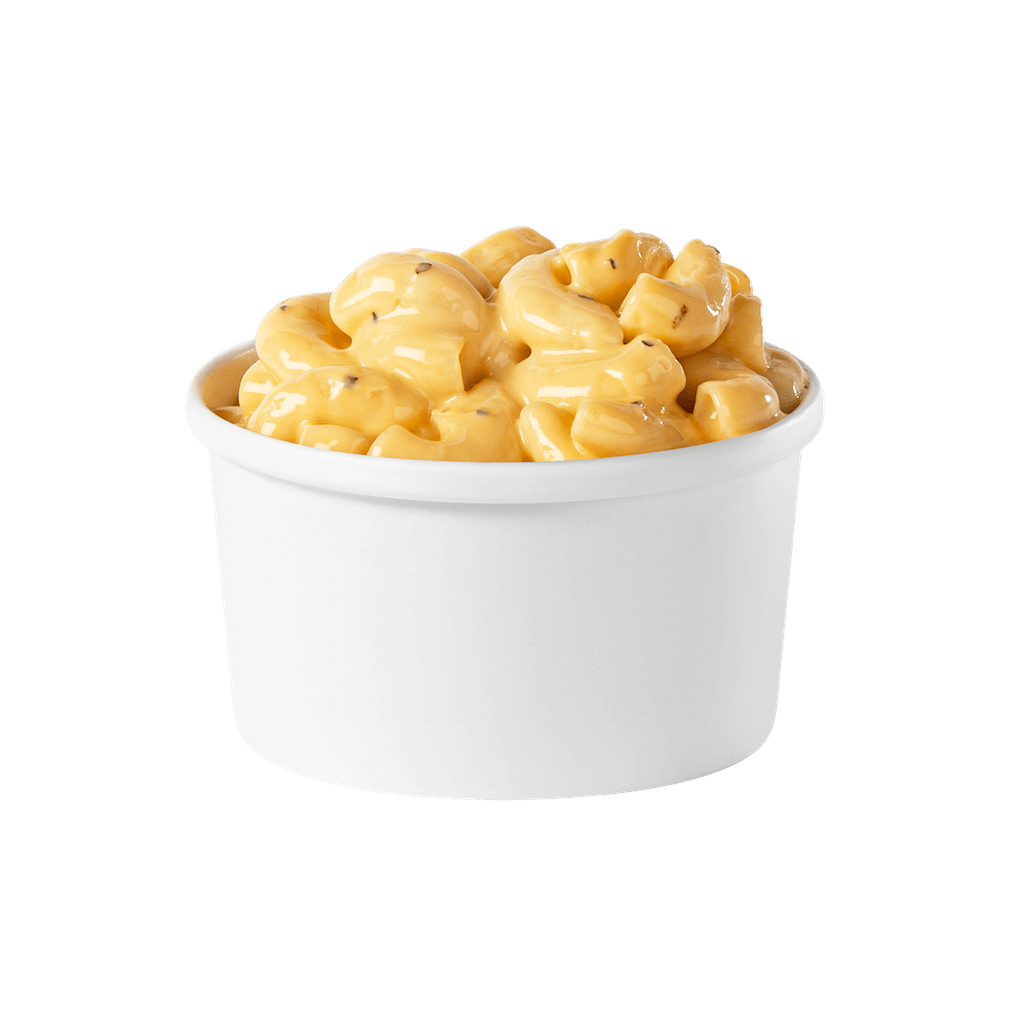
The history of macaroni and cheese stretches back much further than you might imagine. The earliest mention dates to 160 BCE, when Roman senator Marcus Porcius Cato wrote about “placenta”—layers of cheese packed between stacked sheets of whole grain dough—in his treatise De Agri Cultura.
Medieval Manuscripts and Royal Kitchens
By the 13th century, two anonymous cookbooks, Liber de coquina and Libro della cocina, contained recipes for layered pasta and cheese dishes called lasanis and lasagne. In 1390, the English cookbook The Forme of Cury featured a recipe called “makerouns” that instructed cooks to “take a thin sheet of dough and cut it into pieces, place in boiling water and cook well. Take grated cheese, melted butter, and put it beneath and above like lasagna; serve.”
The Jefferson Myth
Many believe Thomas Jefferson brought mac and cheese to America after his travels to France with James Hemings. However, this is a gastromyth: the Experienced English Housekeeper, the first proper English recipe for the dish.
The Kraft Revolution
Fast forward to 1937, when Kraft introduced its Macaroni & Cheese Dinner during the Great Depression. At just 19 cents a box and easy to prepare, it became a hit during tough economic times and World War II rationing. This convenient version helped cement mac and cheese as an American staple.
Global Mac & Cheese Adventures
- Caribbean Macaroni Pie: This version packs heat with herbs, spices, and unexpected ingredients like ketchup, mustard, and sharp cheddar cheese. Unlike American mac and cheese, the cheese isn’t melted into a sauce before baking—instead, it’s mixed in and melts during the cooking process.
- South African Macaroni and Cheese: Often includes tomatoes and sometimes curry spices, reflecting the country’s diverse culinary influences.
Celebrating Comfort Food Done Right
This March, as we celebrate these two iconic dishes, it’s worth remembering that the best versions honor their rich histories while adding personal touches. Whether you prefer your potato salad with a vinaigrette or creamy dressing, or your mac and cheese with a Caribbean kick or classic American style, these comfort foods connect us to centuries of culinary tradition.
Both dishes prove that the simplest ingredients—potatoes, pasta, and cheese—can create something extraordinary when prepared with care and creativity. They’re reminders that great food doesn’t need to be complicated; it just needs to be made with quality ingredients and a bit of love.